What Are the Disadvantages of Injection Molding
author: Bella Zhang
2024-06-18
Injection molding is by far one of the most popular plastic mold making technologies in modern manufacturing. This is largely due to its ability
to produce high volumes of quality finished products with relative ease. While the initial costs can be steep, the long-term benefits make it a
worthwhile investment. However, despite its many advantages, there are some concerns that are associated with the plastic molding process.
We will be looking at the drawbacks of using injection molding to the manufacturer, the consumer, and the environment as a whole. For those
that are about to get into manufacturing, the following are some of the pitfalls that you may have to deal with at some point.
HIGH COST

Once your production numbers begin to increase, the cost of setting up injection molding becomes negligible. However, you may be surprised by
the initial investment required to get things up and running from scratch. Tooling costs alone are quite exorbitant, requiring significant investment
in mould design and testing, which necessitates specialized tools. Most of these tools are customized, which further increases their cost. You might
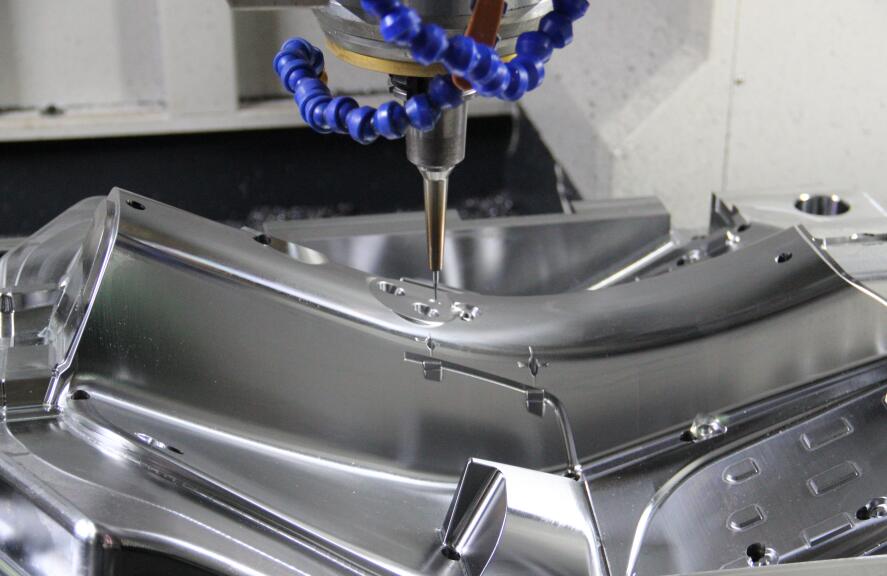
have to create molds from scratch using expensive technology like 3D printing or CNC molding and undergo a considerable amount of trial and error
before attaining desirable results. Additionally, it will require highly skilled experts in this field, and their services do not come cheap.
To sum it up, you will have to invest a substantial amount of money into the start-up before seeing desirable production results.
LONG LEAD TIMES

Lead times refer to the duration required to construct a product from the ground up, perform extensive testing until all safety precautions are met, and
design the product to perfectly align with mold specifications. Prior to launching full-fledged production, manufacturing companies must conduct in-depth
research, procure the necessary machinery, carry out multiple rounds of testing, and run countless simulations.
This statement outlines how important it is for companies to assess their operations' viability. This can be a challenging task, especially if you are not
adequately prepared. The typical lead time for this assessment process is about six weeks. However, this timeframe could extend to anywhere from
six months to a whole year, depending on the scale and complexity of your operations.
LARGE SCARE MACHINES

Perfecting the mold is a time-consuming process that requires precision and accuracy. A flawed mold can result in defective products being
produced continuously, making it imperative to get it right the first time. Creating the blueprints is a complex task that demands a high
level of skill, which is time-intensive. It's inevitable that there will be some initial trial and error involved, which can prolong the process and
result in higher costs.
In addition to the time and effort invested, sourcing the right raw materials also comes at a significant expense. The experimentation phase
In addition to the time and effort invested, sourcing the right raw materials also comes at a significant expense. The experimentation phase
may require a substantial amount of expensive materials before finding the ideal compound to use. This can further add to the cost of the
overall process, making it crucial to be strategic in selecting the right materials.
SOME BREAKDOWNS

Injection molds are not only highly expensive to install, they also require frequent repairs due to extreme wear and tear. Even if constructed using
the strongest materials, excessive usage during high production rates leaves them susceptible to breakdowns. Plastic manufacturers typically work
up to 12 hours daily without any halt to machinery, which can extend up to a 24-hour cycle through automation. The lack of downtime inevitably
leads to premature damage to molds, and it is only a matter of time before they become unusable.
This results in added expenses for routine maintenance and repairs, as well as the cost of replacing damaged molds. Failure to keep up with
This results in added expenses for routine maintenance and repairs, as well as the cost of replacing damaged molds. Failure to keep up with
these costs can cause the entire production line to come to a halt.
ENVIROMENT IMPACT

The production output of injection molding is vast, but unfortunately, the environmental impact is equally significant. While it benefits
consumers of household appliances, the excessive use of plastic products creates detrimental effects on the environment. Plastics
continue to pose challenges to the ecosystem, as their production far exceeds the rate of recycling.
In particular, plastic materials manufactured through injection molding are highly durable. Recycling them through crushing is not
In particular, plastic materials manufactured through injection molding are highly durable. Recycling them through crushing is not
cost-effective, making their disposal a serious concern. As a result, most end up in landfills, continuously polluting and damaging
ecosystems.
In light of sustainable manufacturing practices, adhering to environmental regulations requires a considerable financial investment.
In light of sustainable manufacturing practices, adhering to environmental regulations requires a considerable financial investment.
This often includes replacing aging production machinery and adapting to new raw materials. For many businesses, this financial
requirement may seem too steep to shoulder, subsequently opting to cease operations altogether.
ENERGY COSTS

The production output of injection molding is vast, but unfortunately, the environmental impact is equally significant. While it benefits
consumers of household appliances, the excessive use of plastic products creates detrimental effects on the environment. Plastics
continue to pose challenges to the ecosystem, as their production far exceeds the rate of recycling.
In particular, plastic materials manufactured through injection molding are highly durable. Recycling them through crushing is not
cost-effective, making their disposal a serious concern. As a result, most end up in landfills, continuously polluting and damaging
ecosystems.
In light of sustainable manufacturing practices, adhering to environmental regulations requires a considerable financial investment.
This often includes replacing aging production machinery and adapting to new raw materials. For many businesses, this financial
requirement may seem too steep to shoulder, subsequently opting to cease operations altogether.
CONCLUSION
The future of injection molding, and plastic-based production processes as a whole, is uncertain given increased calls for
environmental protection. Top plastic molding manufacturers are being compelled to think creatively to stay viable.
If you're interested in entering the plastic molding business as a small-scale manufacturer, supplier, or bulk consumer, or if
If you're interested in entering the plastic molding business as a small-scale manufacturer, supplier, or bulk consumer, or if
you need assistance with warehouse storage materials, we are here to help. About Us anytime, and we will guide you through
the process to ensure your satisfaction.
CNC Machining