
The Difference Between Injection Molding and Casting
author: Bella Zhang
2024-06-25
The manufacturing processes required for the production of plastic and metal materials vary, depending on what your end goal is.
The creation of plastic involves several complex processes, which may seem overwhelming if you are unfamiliar with them. As a
business seeking to manufacture plastic products efficiently, it is crucial to understand the fundamental principles involved.
Appreciating these basic concepts will help you to identify the best approach to producing your products with confidence.
Alternatively, you could seek assistance from experienced mold manufacturers who can provide you with expert guidance on selecting
the optimal manufacturing processes. Two of the most widely used techniques are injection molding and casting, which cater to diverse
customer specifications. By comparing and contrasting the benefits of injection molding vs casting, you will likely gain a clearer
comprehension of the most suitable process for your particular requirements.
WHAT IS INJECTION MOLDING

Injection molding is a popular manufacturing process that produces high-quality plastic products through a sequence of stages.
It has gained universal acceptance among businesses due to its efficiency and reliability. The defects that may occur during the
process are minimal and can be easily addressed to prevent recurrence.
Moreover, this manufacturing process boasts the capacity to produce multiple products simultaneously, reducing production time
and catering to bulk orders. The process involves utilizing an injection molding machine, which is equipped with all the necessary
components for the manufacturing process. These essential injection molding machine parts include:
Clamping unit
The clamping unit is an essential component that securely fastens the mold in place, providing a stable surface for pouring molten
material into it. This unit incorporates hydraulics, enabling it to move in and out, simplifying the process of opening and shutting
the mold.
Injection unit
The injection unit is a crucial component of the injection molding process as it is responsible for introducing molten material into the
desired mold. This unit is specifically designed to dwell on the mold to ensure that just the right amount of material is introduced, thereby
avoiding any excessive usage and wastage.
Mold cavity
One crucial aspect of this process is the mold cavity. The mold itself plays a decisive role, and therefore, it demands careful attention. It must
be thoughtfully designed and manufactured to incorporate all the necessary features essential for producing the desired product.
HOW DOES INJECTION MOLDING WORK?

When it comes to the process cycle, the manufacturing of these plastic products will feature a few stages. Some of them include:
Product design
To begin the manufacturing process, the first step is to focus on the product design. It is crucial to have a clear and detailed visual
representation, particularly for products that entail intricate details, complex shapes, or unique designs. By prioritizing this step, it
will provide your manufacturers with a solid foundation to build off of. Collaboration with designers will be essential in creating a
mock-up of the envisioned product, ensuring all desired features are included and accounted for.
Mold design
The next crucial aspect to ponder upon is the mould design and the approach adopted by the designers. It is vital to ensure that the
mould design is precisely tailored to the requirements. The final output of the mould and the subsequent product manufactured will
depend on its accuracy. To eliminate any avoidable errors, the designers will leave no stone unturned in getting it right.
Injection molding process
Once the mold is complete, the injection molding process can begin with precise guidelines and steps to be followed. The initial step
involves introducing the molten material into the mold using the mold itself. Afterward, the molten material is left to cool, allowing it
to take on the desired shape designed in the mold. Once the cooling process is complete, the end product is then released and ejected.
Upon completion, the product is now ready for use.
ADVANTAGES OF INJECTION MOLDING
- The process is typically faster than casting
- Allows for Repeatability
- Injection molds feature the use of diverse types of materials
- Feature the ability to produce a massive number of plastic products
- The injection molding process offers very accurate results, even in high-production
- Does not feature high operational costs apart from the initial purchase cost incurred
DISADVANTAGES OF INJECTION MOLDING
- Injection molds can be quite expensive to create, so tooling budgets will have to be high
- The result may be less durable and have a lower quality than one would find in casting
- Makes it hard to correct mistakes made
- High cost incurred in the initial purchase
WHAT IS CASTING
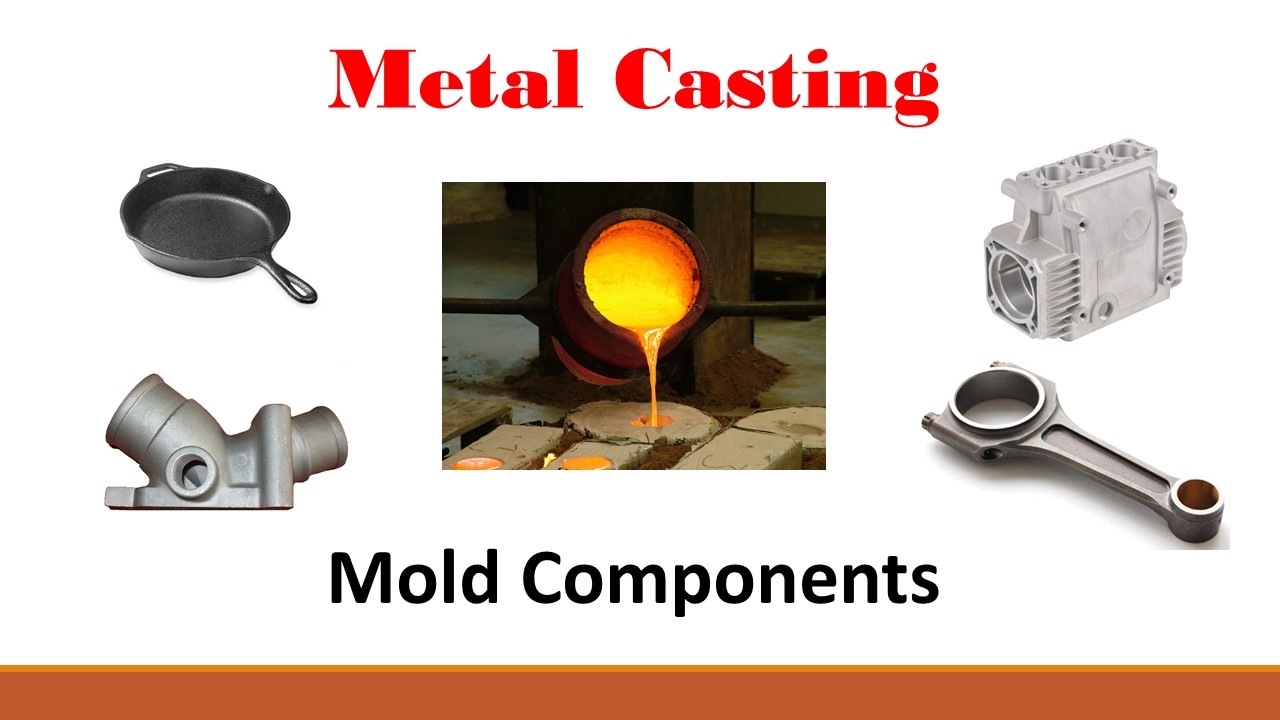
Casting and injection molding differ in their respective processes and materials. Casting involves melting metal materials, such as zinc, tin,
copper, and aluminum, to create complex products that cannot be produced by other methods.
To commence the casting manufacturing process, the mold is lubricated beforehand to regulate the temperature and facilitate product ejectment.
To commence the casting manufacturing process, the mold is lubricated beforehand to regulate the temperature and facilitate product ejectment.
Molten metal material is then injected under high pressure into the mold, which is maintained until the material solidifies. This continuous pressure
prevents any part of the material from solidifying prematurely. Once solidified, the product is removed and can be used for its intended application.
ADVANTAGES OF CASTING
- Features great shape tolerances
- Helps achieve consistency and uniformity in the design produced
- There are no post-casting processes required.
- Results in a durable, high-quality product
- Casting allows for greater design complexity
- It’s ideal for completing many intricate, disparate designs at the same time.
DISADVANTAGES OF CASTING
- This does not typically allow for the casting of large parts
- High melting point metals, like steel, won’t work
- Die materials can be expensive

The two methods discussed above feature very significant differences. Learning the differences between die casting and injection
molding is essential. It will help you get a better understanding of the two processes. Some of their differences include:
In the injection molding process, molten material is introduced into the mold through a pressurized injection unit. On the other hand,
in die casting, the molten material is poured directly into the mold cavity.
In injection molding, molds are crafted from extremely durable steel, whereas molds in casting are primarily made of flexible silicone rubber.
Injection molding involves the use of high-quality plastic materials in their molten state, while casting involves the use of molten metals.
Injection molding showcases the capability to manufacture various products simultaneously by utilizing multiple mold cavities in a single cycle.
Meanwhile, casting is only capable of working on a single product at any given moment.
When considering tooling, it is important to note that the injection molding process typically incurs greater costs in comparison to the casting process.
CONCLUSION
There are various methods available to acquire the desired product in the market. Thus, it's crucial to learn more about the available options. Once you
have this knowledge, you can easily decide which approach suits you the best.
One option is to collaborate with a molding manufacturer who can provide you with the finest plastic injection molding services. Seeking guidance from
One option is to collaborate with a molding manufacturer who can provide you with the finest plastic injection molding services. Seeking guidance from
experienced professionals, who have been in the business for years, is the right way to go about it. Their expertise and guidance can ensure that the products
meet your specific requirements, and you can enjoy a stress-free experience.
Truck grille mold try out
Plastic Injection Mold Packing
Related Article

From April 15 - 18, 2025, Hopo Mould, a Taizhou plastic injection mold leader, shone at Chinaplas 2025. Our elite team showcased high - performance molds for home appliances, automotive, and industrial parts, featuring advanced cooling systems and precision craftsmanship. The booth attracted global visitors, helping us forge new client connections and deepen ties with existing ones. This exhibition marks a significant step in our journey to innovate and expand globally in the mold industry.
Hopo Mould Secures New Deals and Strengthens Ties at Chinaplas 2025


Polypropylene (PP) and Nylon are both popular synthetic materials, each with distinct characteristics and benefits.
PP is valued for its light weight, whereas Nylon is prized for its exceptional resistance to abrasion.
Both nylon and polypropylene are known for their affordability, however, polypropylene is notably more
inexpensive than nylon. Accurately selecting the appropriate material for a finished product requires a
thorough understanding of their unique properties.
PP is valued for its light weight, whereas Nylon is prized for its exceptional resistance to abrasion.
Both nylon and polypropylene are known for their affordability, however, polypropylene is notably more
inexpensive than nylon. Accurately selecting the appropriate material for a finished product requires a
thorough understanding of their unique properties.
Nylon VS Polypropylene Plastic
