
Nylon VS Polypropylene Plastic

What is Nylon?
What is Polypropylene?

Basic Properties Comparison of Nylon and PP
|
Property |
Nylon |
Polypropylene (PP) |
|
Density |
1.14 – 1.15 g/cm³ |
0.90 – 0.91 g/cm³ |
|
Tensile Strength |
75 – 90 MPa |
30 – 40 MPa |
|
Elongation at Break |
20 – 30% |
200 – 600% |
|
Elastic Modulus |
2.5 – 3.2 GPa |
1.7 – 2.0 GPa |
|
Melting Point |
220 – 260°C |
160 – 170°C |
|
Heat Deflection Temperature |
180 – 220°C |
100 – 120°C |
|
Water Absorption |
1.0 – 1.5% (24 hours) |
<0.01% (24 hours) |
|
Thermal Expansion Coefficient |
80 – 100 µm/m°C |
100 – 200 µm/m°C |
|
Coefficient of Friction |
0.25 – 0.30 |
0.35 – 0.45 |
|
Chemical Resistance |
Good against bases, oils, and most organic solvents |
Excellent against acids, bases, salts, and most organic solvents |
|
Electrical Insulation |
Good, but decreases with moisture absorption |
Excellent and unaffected by moisture |
|
Processability |
Injection molding, extrusion, blow molding |
Injection molding, extrusion, blow molding, thermoforming |
Advantages of Nylon vs Polypropylene
Nylon:
Nylon boasts heat resistance, fatigue resistance, and shock absorption, while remaining lightweight and easy to process.
With its durability and versatility, Nylon finds use in a wide range of applications, from automotive and aerospace to

Polypropylene:
In addition to its impressive toughness, PP boasts flexibility, moisture resistance, and high performance even in diverse conditions,
PP is also highly cost-effective and sustainable thanks to its ease of processing and recyclability, which have cemented its status as
With its unique properties, including its chemical resistance, PP is a top choice for heavy-duty applications such as fishing lines and
Polypropylene vs Nylon: Industrial and Household Applications
Applications of Nylon
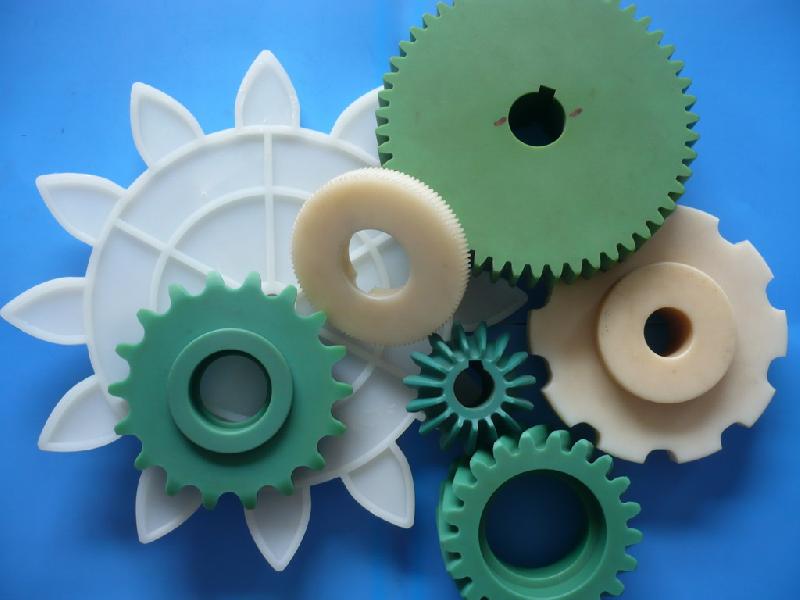
Automotive industry: gears, bearings, fuel system components;
Electrical and electronic appliances: cable sheathing, connectors;
Textiles: nylon fibers, carpets;
Industrial equipment: conveyor belts, seals;
Consumer goods: kitchenware, sporting goods;
Construction materials: pipes, fasteners etc.
Applications of Polypropylene
Packaging: food packaging, containers;
Automotive industry:bumpers, interior parts;
Household appliances:housings components;
Electrical and electronic appliances: wire sheathing, insulation materials;
Building materials: pipes, floor tiles;
Consumer goods: furniture, toys;
Agriculture: greenhouse films, irrigation pipes etc.
Nylon vs Polypropylene: Cost
Nylon:
Higher cost: It's important to note that nylon comes with a slightly higher price tag compared to polypropylene, largely due to the
complex manufacturing process and premium raw materials required.
Performance value: However, it's equally important to recognize that the superior mechanical strength, heat resistance and remarkable
durability of nylon make it a clear winner in applications where these properties are paramount. In other words, despite its higher cost,
the performance value offered by nylon justifies every penny spent on it.
Polypropylene (PP):
In conclusion, nylon's high-performance capabilities make it a worthwhile investment, but polypropylene's cost advantages make it a better
Is Nylon a plastic or fabric?
Is Polypropylene Better than Nylon ?
Ultimately, the best material for a specific product depends on the product's specific requirements. To find the perfect solution, the materials should
Conclusion
Plastic Shrinkage Explained
Truck grille mold try out
Related Article


